
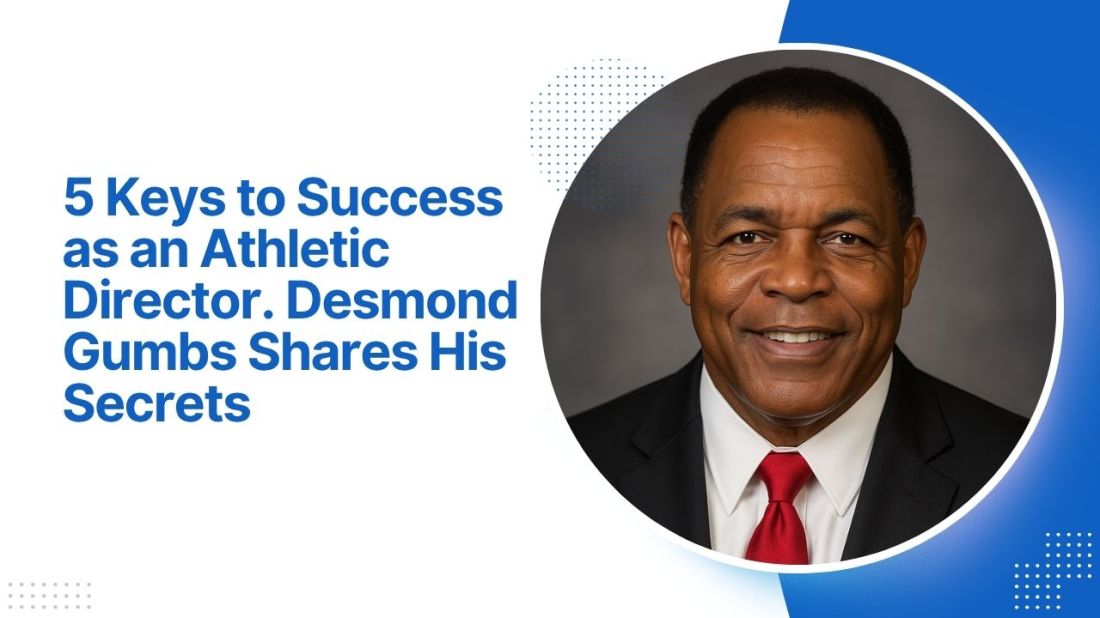
Becoming a successful Athletic Director requires more than just a passion for sports—it demands leadership, vision, and a commitment to fostering growth in both individuals and programs. Desmond Gumbs, a renowned life coach and motivational speaker, has spent years guiding athletic programs to excellence. With his unique blend of sports expertise and motivational strategies, Desmond Gumbs shares five essential keys to thriving as an Athletic Director. Whether you’re leading a high school, college, or community athletic program, these insights will empower you to make a lasting impact.
The Role of an Athletic Director
An Athletic Director is the backbone of any successful athletic program. They oversee everything from budgeting and scheduling to mentoring coaches and supporting athletes. Desmond Gumbs emphasizes that this role is about more than logistics—it’s about inspiring a culture of excellence. By setting a clear vision and fostering teamwork, an Athletic Director creates an environment where athletes and coaches can thrive.
Visionary Leadership
The first key to success, according to Desmond Gumbs, is visionary leadership. An Athletic Director must set ambitious yet achievable goals for the program. This involves understanding the needs of athletes, coaches, and the broader community. Desmond Gumbs suggests creating a mission statement that reflects the program’s values, such as discipline, teamwork, and personal growth. By aligning every decision with this vision, an Athletic Director ensures long-term success.
- Set Clear Goals: Define what success looks like for your program, whether it’s winning championships or fostering personal development.
- Communicate Effectively: Share your vision with coaches, athletes, and stakeholders to build buy-in.
- Stay Adaptable: Be ready to adjust your vision based on evolving needs and challenges.
Building a Cohesive Team
A strong athletic program relies on collaboration. Desmond Gumbs, a seasoned sports coach, stresses the importance of fostering teamwork among coaches, staff, and athletes. An Athletic Director must create a culture where everyone feels valued and motivated to contribute. This means resolving conflicts, encouraging open communication, and celebrating collective achievements.
- Encourage Collaboration: Organize regular meetings to align coaches and staff on program goals.
- Foster Trust: Build relationships based on transparency and mutual respect.
- Recognize Efforts: Acknowledge the hard work of coaches and athletes to boost morale.
Mentorship and Development
As a life coach and motivational speaker, Desmond Gumbs believes mentorship is at the heart of an Athletic Director’s role. By guiding coaches and athletes, an Athletic Director helps them unlock their potential. This involves providing resources for professional development, offering constructive feedback, and creating opportunities for growth.
- Invest in Coaches: Provide training and workshops to enhance coaching skills.
- Support Athletes: Offer academic and personal support to help athletes succeed on and off the field.
- Lead by Example: Demonstrate a commitment to continuous learning and growth.
Strategic Resource Management
Managing resources effectively is critical for any athletic program. Desmond Gumbs advises Athletic Directors to be strategic in budgeting, facility management, and scheduling. By prioritizing resources that directly impact athletes’ performance and experience, an Athletic Director ensures the program runs smoothly and sustainably.
- Plan Budgets Wisely: Allocate funds to areas that drive the most impact, like equipment and training programs.
- Optimize Facilities: Ensure fields, gyms, and other spaces are safe and well-maintained.
- Streamline Scheduling: Create schedules that balance competition, practice, and rest.
Inspiring a Winning Mindset
Finally, Desmond Gumbs highlights the importance of cultivating a winning mindset. As a life coach and motivational speaker, he knows that success starts with belief in oneself. An Athletic Director must inspire athletes and coaches to stay focused, resilient, and motivated, even in the face of setbacks.
- Promote Positivity: Encourage a culture of optimism and perseverance.
- Set High Standards: Challenge athletes and coaches to aim for excellence.
- Celebrate Small Wins: Recognize progress to keep momentum going.
Overcoming Common Challenges
Athletic Directors often face challenges like limited budgets, conflicting priorities, and high expectations. Desmond Gumbs offers practical solutions:
- Budget Constraints: Seek sponsorships or grants to supplement funding.
- Time Management: Prioritize tasks that align with your program’s vision.
- Stakeholder Expectations: Communicate transparently to manage expectations and build trust.
Conclusion
Being an Athletic Director is a challenging yet rewarding role. By embracing visionary leadership, fostering teamwork, mentoring others, managing resources strategically, and inspiring a winning mindset, you can lead your athletic program to new heights. Desmond Gumbs, with his expertise as a sports coach and life coach and motivational speaker, shows that success comes from empowering others to reach their potential. Take these five keys, apply them with passion, and watch your program thrive.

 Desmond Gumbs: Head Football Coach at Lincoln University, California