
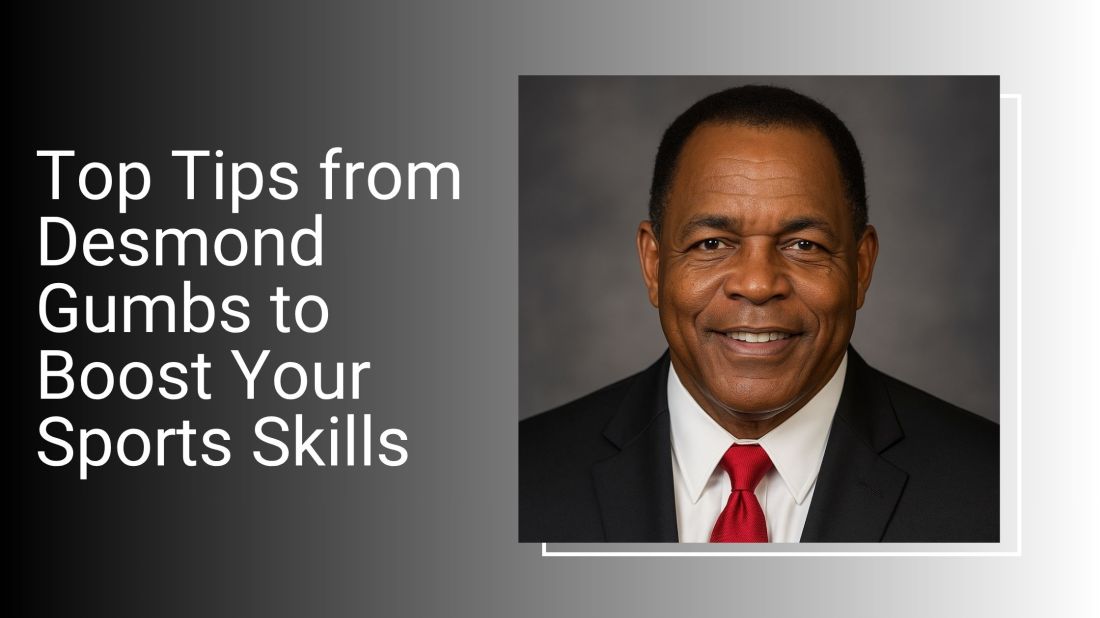
It’s not every day you get to sit down with a figure as dynamic as Desmond Gumbs. Part visionary life coach and motivational speaker, part seasoned sports coach, his perspective is a powerful blend of psychological insight and practical, on-the-field strategy. After a recent, in-depth conversation, I walked away with a notebook filled with actionable advice that could elevate any athlete’s game. Gumbs doesn’t just coach; he transforms. He builds athletes from the inside out, focusing on the mind, body, and strategy as interconnected pillars of success.
For any athlete looking to break through a plateau, gain a competitive edge, or simply unlock a new level of performance, these insights are pure gold. This isn’t just about running faster or hitting harder; it’s about becoming a smarter, more resilient, and more complete competitor. Here are the top tips from Desmond Gumbs to boost your sports skills.
The Mental Game: Mastering Your Mindset
The first thing you notice when talking to Desmond Gumbs is his emphasis on the mental aspect of sports. Before an athlete can dominate physically, they must first conquer the six inches between their ears. He believes that the greatest battles are won and lost in the mind long before the game even begins.
The Power of Visualization: See Success Before It Happens
“You have to win in your mind a thousand times before you ever step onto the field,” Gumbs explained, his voice calm but firm. This isn’t just wishful thinking; it’s a dedicated practice of visualization. He coaches his athletes to spend quiet time each day vividly imagining their success. This means seeing the perfect shot, feeling the rhythm of a flawless run, or picturing the seamless execution of a complex play.
It’s about engaging all the senses. What does the crowd sound like? What does the air feel like? What is the scent of the grass or the court? By creating a detailed mental blueprint of success, you are priming your nervous system to execute it. When the moment arrives in a real game, your mind and body have already been there. It feels familiar, reducing anxiety and allowing your training to take over instinctively. This practice, Gumbs insists, separates the good from the great.
Building Unshakeable Confidence: From Practice to Performance
Confidence, according to Desmond Gumbs, is not a gift; it’s a result. It’s built brick by brick through disciplined preparation. “Confidence isn’t arrogance,” he clarified. “It’s the quiet knowledge that you’ve put in the work.” He advises athletes to focus on “stacking wins” in training. Every drill completed with focus, every personal best broken in the gym, and every strategic concept mastered in film study is a deposit into your confidence bank.
When self-doubt creeps in during a high-pressure situation, you can draw on this reserve of proven effort. You remind yourself of the countless hours you’ve dedicated. This deep-seated belief in your preparation is what allows you to perform freely and aggressively, without the fear of failure holding you back. A key part of any athletic program he consults on is building structured practices that create tangible, daily victories for each participant.
Physical Conditioning: Beyond the Basics
While the mental game is paramount, Desmond Gumbs is a pragmatist. He knows that elite performance requires a body honed to perfection. However, his approach to physical conditioning goes beyond traditional weightlifting and cardio. He advocates for a smarter, more functional approach to training that directly translates to sport-specific movements.
The Gumbs Approach to Functional Strength Training
“I see too many athletes training like bodybuilders, not athletes,” he lamented. His philosophy centers on functional strength: training movements, not just muscles. This means focusing on compound exercises that mimic the demands of their sport, such as explosive squats, rotational core work, and plyometrics. The goal is to build a body that can generate power, maintain stability, and resist injury through a full range of athletic motion.
As a sports coach, he works with athletes to identify the primary movement patterns of their position and designs a regimen to strengthen those exact chains. This ensures that every ounce of effort in the weight room directly contributes to better performance on the field, fostering a more durable and explosive athlete.
The Importance of Rest and Recovery
In a culture that often glorifies “the grind,” Desmond Gumbs is a powerful advocate for the science of recovery. “Your progress doesn’t happen when you’re training; it happens when you’re recovering from that training,” he stated. He sees rest, nutrition, and sleep not as passive activities but as active components of a comprehensive athletic program.
He encourages athletes to schedule their recovery with the same seriousness as their workouts. This includes proper hydration, a diet rich in anti-inflammatory foods, stretching, foam rolling, and prioritizing 8-9 hours of quality sleep per night. From an Athletic Director’s viewpoint, implementing education on recovery can drastically reduce injury rates and burnout across an entire organization, ensuring athletes remain healthy and available to compete.
Strategic Excellence: Playing Smarter, Not Just Harder
Physical talent and mental toughness are crucial, but Gumbs believes the ultimate differentiator is strategic intelligence. The ability to understand the nuances of the game, anticipate opponents, and make smart decisions in real-time is what elevates an athlete to the elite tier.
Film Study and Opponent Analysis
“The game is a physical chess match,” he says. “You wouldn’t play chess without studying your opponent’s favorite openings, would you?” He is a huge proponent of dedicated film study. He teaches athletes not just to watch highlights, but to analyze tendencies. What does an opponent do under pressure? What are their go-to moves in critical situations? Where are their weaknesses?
This level of preparation allows an athlete to move from being reactive to being proactive. Instead of just responding to what’s happening, they can anticipate and dictate the flow of the game. This intellectual engagement, Gumbs argues, is a sign of a mature and truly dominant competitor.
On-Field Communication and Team Synergy
In team sports, Desmond Gumbs emphasizes that communication is a skill that must be drilled relentlessly. “A silent team is a losing team,” he declared. Effective communication—both verbal and non-verbal—is the glue that creates synergy and allows a group of talented individuals to function as a cohesive unit.
He encourages coaches to integrate communication drills into every practice. This could be calling out screens, signaling plays, or simply offering encouragement to a teammate. When communication becomes an ingrained habit, the team’s collective intelligence skyrockets. They can make adjustments on the fly, cover for each other’s mistakes, and execute complex strategies with precision.
The Holistic Athlete: Life Skills for Lasting Success
Perhaps what makes Desmond Gumbs such a transformative figure is his commitment to developing the person, not just the player. As a life coach and motivational speaker, he understands that the discipline, resilience, and goal-setting skills learned through sports are the very tools needed for a successful life.
Goal-Setting Like a Pro
Gumbs teaches a structured approach to goal-setting that moves beyond vague aspirations. He advocates for the “Process, Performance, and Outcome” model.
- Outcome Goals: This is the big picture—winning a championship, earning a scholarship.
- Performance Goals: These are the specific metrics to hit along the way—improving a free-throw percentage, decreasing a race time.
- Process Goals: These are the daily habits and actions that lead to performance improvements—sticking to a nutrition plan, completing a certain number of reps, and dedicating 30 minutes to film study each day.
By focusing primarily on the process goals, the performance and outcome goals naturally fall into place. This approach keeps athletes grounded, focused on what they can control, and motivated by daily progress rather than intimidated by a distant objective.
Conclusion
Talking with Desmond Gumbs makes it clear that achieving peak performance in sports is a holistic endeavor. It’s an intricate dance between a fortified mind, a finely-tuned body, and a sharp strategic intellect. His wisdom encourages athletes to look beyond the scoreboard and focus on the daily process of self-improvement. By embracing visualization, building confidence through preparation, training smarter, and developing the character skills that transcend the game, any athlete can unlock their true potential. His dual mastery as a top sports coach and an inspirational life coach provides a unique and powerful roadmap to not only winning games but winning at the far more important game of life.

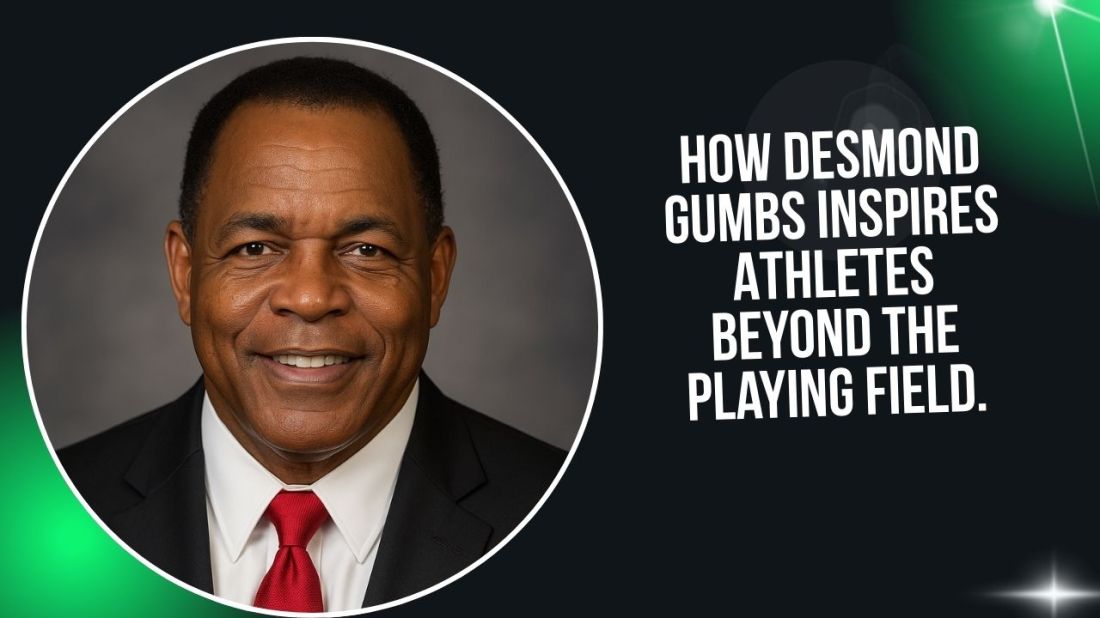
 Desmond Gumbs: Head Football Coach at Lincoln University, California