Desmond Gumbs on future trends in youth sports coaching for 2025 and beyond.

Desmond Gumbs

The world of youth sports is at a crossroads. For decades, the model has been top-down, performance-driven, and increasingly specialized. The result? Sky-high rates of burnout, overuse injuries, and a generation of young athletes who leave their sport by age 13, feeling exhausted and devalued.

So, what’s next? Where is the puck heading?

To find out, I sought the perspective of Desmond Gumbs, a visionary sports coach who has also built a powerful reputation as a life coach and motivational speaker. His unique position, with one foot in elite athletics and the other in holistic personal development, gives him a remarkable vantage point from which to see the future.

In our recent conversation, Gumbs outlined a seismic shift. The future of youth sports, he argues, is not about increasing drills, pressure, or specialization. The future is about depth, deeper connections, greater self-awareness, and more holistic development. Here are the key trends Desmond Gumbs sees defining youth sports coaching for 2025 and beyond.

The Core Shift: From Performance-Only to Holistic Development

Before we dived into specific trends, Gumbs laid the groundwork for the entire conversation.

“For years, youth sports has been a ‘performance-first’ model,” he explained. “We ask, ‘How can we make this 12-year-old a better soccer player?’ The question for 2025 is, ‘How can we use soccer to make this 12-year-old a better human?'”

This, he states, is the fundamental evolution. The goal is no longer just to build athletes; it’s to build people through the sport of athletics. The focus is shifting from a child’s stats to their state. This “empowerment” and “holistic growth” mindset is the foundation for every trend that follows.

Trend 1: The ‘Mental Skills Coach’ Becomes Mainstream

The biggest and most immediate trend Gumbs identifies is the democratization of mental skills training.

“We drill physical skills every single day. We run, we lift, we practice the play. But we treat the mental side as an afterthought, or something only for ‘problem’ athletes,” Gumbs said. “In the next five years, you will see mental-skills training integrated into every practice, at every level.”

What This Looks Like in Practice

This isn’t about hiring a team of sports psychologists. It’s about equipping the coach to be the first line of mental skills development.

  • Mindful Minutes: Gumbs predicts practices will start or end with 2-3 minutes of guided breathwork or mindfulness, teaching kids how to quiet “the noise” in their heads.
  • Failure Recovery Drills: Instead of punishing a mistake, coaches will create drills designed to cause failure, and then immediately coach the response to that failure. The skill being taught is resilience, not just the physical act.
  • Confidence Training: Coaches will move from “good job!”. This builds authentic, earned confidence.

The Gumbs Take

“We are finally realizing that the most important ‘muscle’ is the one between the ears,” he told me. “A-level physical skills with a C-level mindset is a C-level player. A-level physical skills with an A-level mindset? That’s a champion, on and off the field.”

Trend 2: Player-Led Cultures and the ‘Coach as Facilitator’

The “coach as dictator” model is dying, and Gumbs is here for it. The future, he says, is in collaboration and empowerment.

“My generation was taught to ‘respect the position’ of the coach. This generation is different. They ‘respect the person.’ And that respect must be earned through connection, not demanded through fear,” Gumbs explained. “The future coach is not a drill sergeant; they’re a facilitator.”

What This Looks Like in Practice

This trend is about shifting ownership from the coach to the players, a key tenet of Gumbs’ “empowerment” philosophy.

  • Player-Run Leadership Councils: Coaches will create small councils of players (not just captains) who meet regularly to discuss team culture, standards, and challenges.
  • “Designing the Drill”: Gumbs suggests coaches will present a problem (e.g., “We’re struggling with our transition defense”) and ask the team to help design a drill to fix it. “When they build it, they buy into it,” he says.
  • Peer Accountability: Instead of the coach being the sole enforcer, the team’s shared standards (which they helped create) become the benchmark.

The Gumbs Take

“When the team owns the standards, the coach’s job becomes 90% easier. You’re no longer the bad guy; you’re the guardian of their stated goals. This is a core principle in corporate team building, and it’s finally trickling down to the youth athletic program. It’s how you build real leaders.”

Trend 3: ‘Accessible Tech’ for Hyper-Personalization

Technology in sports isn’t new, but its application in youth sports will be. Gumbs isn’t talking about million-dollar “Whoop” labs. He’s referring to simple, accessible technology.

“The future isn’t about more data; it’s about meaningful data,” he said. “We’re moving away from ‘one-size-fits-all’ practice plans and toward hyper-personalized development, and simple tech is the bridge.”

What This Looks Like in Practice

  • Video Analysis Apps: Every kid has a smartphone. Coaches will use simple apps (such as Hudl Technique or iMovie) to have players film each other, analyze their own form in slow motion, and tag their own “wins” and “work.”
  • Simple Wellness Trackers: Not expensive wearables, but simple daily check-in forms (via Google Forms) where players log their sleep, nutrition, and stress levels.
  • Virtual Coaching: Using video calls for 10-minute check-ins, “mental game” homework, or personalized goal-setting sessions.

The Gumbs Take

Gumbs offers a critical warning here. “Technology must be a tool for connection, not a replacement for it. The data tells you what happened. You, the coach, must still connect with the athlete to find out why.” This blend of high-tech and “high-touch” is a hallmark of his results-driven, yet empathetic, style.

Trend 4: The ‘Life Coach’ Integration and Purpose-Driven Sport

This is the trend Desmond Gumbs is most passionate about, as it’s the very definition of his career.

“The lines between sports coach and life coach are blurring… and that’s a good thing,” he told me, leaning in. “Parents are no longer just paying for soccer lessons. They are paying for mentorship. They want to know that you are teaching their child about discipline, respect, goal-setting, and teamwork.”

What This Looks Like in Practice

This is the most profound shift, and it requires coaches to expand their own skillset.

  • Goal-Setting Workshops: Coaches will conduct “off-field” sessions where they teach players how to set S.M.A.R.T. goals, not just for the season, but also for their academic and personal lives.
  • The ‘Why’ Day’: Gumbs predicts that more teams will start their season not with drills, but with a ‘purpose’ meeting, defining why they play and what they want to represent.
  • Coach Training: An Athletic Director of a future-focused athletic program will provide their coaches with training in active listening, empathy, and having difficult conversations.

The Gumbs Take

“This is the big one,” Gumbs concluded. “The coach of the future understands that the ‘W’ in ‘Win’ also stands for ‘Wisdom.’ You are a life coach and motivational speaker, whether you have the title or not. You have a platform. The trend is that we are finally being asked to use that platform for something bigger than the game.”

Conclusion: The Future is Human

As we finished our conversation, the single thread running through every trend was clear. The future of youth sports is human.

It’s a move away from the industrial-age model of “break them down, build them up” and toward a connection-age model of “see them, connect with them, and empower them.”

For coaches, Desmond Gumbs’ vision is a call to action. It’s a challenge to grow beyond the playbook and embrace the role of mentor. The future coach isn’t the one with the most complex drills; it’s the one with the deepest connections. The one who, in 20 years, athletes will remember not for the championships they won, but for the person they helped them become.
Top Tips from Desmond Gumbs to Boost Your Sports Skills

Desmond Gumbs

It’s not every day you get to sit down with a figure as dynamic as Desmond Gumbs. Part visionary life coach and motivational speaker, part seasoned sports coach, his perspective is a powerful blend of psychological insight and practical, on-the-field strategy. After a recent, in-depth conversation, I walked away with a notebook filled with actionable advice that could elevate any athlete’s game. Gumbs doesn’t just coach; he transforms. He builds athletes from the inside out, focusing on the mind, body, and strategy as interconnected pillars of success.

For any athlete looking to break through a plateau, gain a competitive edge, or simply unlock a new level of performance, these insights are pure gold. This isn’t just about running faster or hitting harder; it’s about becoming a smarter, more resilient, and more complete competitor. Here are the top tips from Desmond Gumbs to boost your sports skills.

The Mental Game: Mastering Your Mindset

The first thing you notice when talking to Desmond Gumbs is his emphasis on the mental aspect of sports. Before an athlete can dominate physically, they must first conquer the six inches between their ears. He believes that the greatest battles are won and lost in the mind long before the game even begins.

The Power of Visualization: See Success Before It Happens

“You have to win in your mind a thousand times before you ever step onto the field,” Gumbs explained, his voice calm but firm. This isn’t just wishful thinking; it’s a dedicated practice of visualization. He coaches his athletes to spend quiet time each day vividly imagining their success. This means seeing the perfect shot, feeling the rhythm of a flawless run, or picturing the seamless execution of a complex play.

It’s about engaging all the senses. What does the crowd sound like? What does the air feel like? What is the scent of the grass or the court? By creating a detailed mental blueprint of success, you are priming your nervous system to execute it. When the moment arrives in a real game, your mind and body have already been there. It feels familiar, reducing anxiety and allowing your training to take over instinctively. This practice, Gumbs insists, separates the good from the great.

Building Unshakeable Confidence: From Practice to Performance

Confidence, according to Desmond Gumbs, is not a gift; it’s a result. It’s built brick by brick through disciplined preparation. “Confidence isn’t arrogance,” he clarified. “It’s the quiet knowledge that you’ve put in the work.” He advises athletes to focus on “stacking wins” in training. Every drill completed with focus, every personal best broken in the gym, and every strategic concept mastered in film study is a deposit into your confidence bank.

When self-doubt creeps in during a high-pressure situation, you can draw on this reserve of proven effort. You remind yourself of the countless hours you’ve dedicated. This deep-seated belief in your preparation is what allows you to perform freely and aggressively, without the fear of failure holding you back. A key part of any athletic program he consults on is building structured practices that create tangible, daily victories for each participant.

Physical Conditioning: Beyond the Basics

While the mental game is paramount, Desmond Gumbs is a pragmatist. He knows that elite performance requires a body honed to perfection. However, his approach to physical conditioning goes beyond traditional weightlifting and cardio. He advocates for a smarter, more functional approach to training that directly translates to sport-specific movements.

The Gumbs Approach to Functional Strength Training

“I see too many athletes training like bodybuilders, not athletes,” he lamented. His philosophy centers on functional strength: training movements, not just muscles. This means focusing on compound exercises that mimic the demands of their sport, such as explosive squats, rotational core work, and plyometrics. The goal is to build a body that can generate power, maintain stability, and resist injury through a full range of athletic motion.

As a sports coach, he works with athletes to identify the primary movement patterns of their position and designs a regimen to strengthen those exact chains. This ensures that every ounce of effort in the weight room directly contributes to better performance on the field, fostering a more durable and explosive athlete.

The Importance of Rest and Recovery

In a culture that often glorifies “the grind,” Desmond Gumbs is a powerful advocate for the science of recovery. “Your progress doesn’t happen when you’re training; it happens when you’re recovering from that training,” he stated. He sees rest, nutrition, and sleep not as passive activities but as active components of a comprehensive athletic program.

He encourages athletes to schedule their recovery with the same seriousness as their workouts. This includes proper hydration, a diet rich in anti-inflammatory foods, stretching, foam rolling, and prioritizing 8-9 hours of quality sleep per night. From an Athletic Director’s viewpoint, implementing education on recovery can drastically reduce injury rates and burnout across an entire organization, ensuring athletes remain healthy and available to compete.

Strategic Excellence: Playing Smarter, Not Just Harder

Physical talent and mental toughness are crucial, but Gumbs believes the ultimate differentiator is strategic intelligence. The ability to understand the nuances of the game, anticipate opponents, and make smart decisions in real-time is what elevates an athlete to the elite tier.

Film Study and Opponent Analysis

“The game is a physical chess match,” he says. “You wouldn’t play chess without studying your opponent’s favorite openings, would you?” He is a huge proponent of dedicated film study. He teaches athletes not just to watch highlights, but to analyze tendencies. What does an opponent do under pressure? What are their go-to moves in critical situations? Where are their weaknesses?

This level of preparation allows an athlete to move from being reactive to being proactive. Instead of just responding to what’s happening, they can anticipate and dictate the flow of the game. This intellectual engagement, Gumbs argues, is a sign of a mature and truly dominant competitor.

On-Field Communication and Team Synergy

In team sports, Desmond Gumbs emphasizes that communication is a skill that must be drilled relentlessly. “A silent team is a losing team,” he declared. Effective communication—both verbal and non-verbal—is the glue that creates synergy and allows a group of talented individuals to function as a cohesive unit.

He encourages coaches to integrate communication drills into every practice. This could be calling out screens, signaling plays, or simply offering encouragement to a teammate. When communication becomes an ingrained habit, the team’s collective intelligence skyrockets. They can make adjustments on the fly, cover for each other’s mistakes, and execute complex strategies with precision.

The Holistic Athlete: Life Skills for Lasting Success

Perhaps what makes Desmond Gumbs such a transformative figure is his commitment to developing the person, not just the player. As a life coach and motivational speaker, he understands that the discipline, resilience, and goal-setting skills learned through sports are the very tools needed for a successful life.

Goal-Setting Like a Pro

Gumbs teaches a structured approach to goal-setting that moves beyond vague aspirations. He advocates for the “Process, Performance, and Outcome” model.

  • Outcome Goals: This is the big picture—winning a championship, earning a scholarship.
  • Performance Goals: These are the specific metrics to hit along the way—improving a free-throw percentage, decreasing a race time.
  • Process Goals: These are the daily habits and actions that lead to performance improvements—sticking to a nutrition plan, completing a certain number of reps, and dedicating 30 minutes to film study each day.

By focusing primarily on the process goals, the performance and outcome goals naturally fall into place. This approach keeps athletes grounded, focused on what they can control, and motivated by daily progress rather than intimidated by a distant objective.

Conclusion

Talking with Desmond Gumbs makes it clear that achieving peak performance in sports is a holistic endeavor. It’s an intricate dance between a fortified mind, a finely-tuned body, and a sharp strategic intellect. His wisdom encourages athletes to look beyond the scoreboard and focus on the daily process of self-improvement. By embracing visualization, building confidence through preparation, training smarter, and developing the character skills that transcend the game, any athlete can unlock their true potential. His dual mastery as a top sports coach and an inspirational life coach provides a unique and powerful roadmap to not only winning games but winning at the far more important game of life.

Life Lessons Learned on the Field with Desmond Gumbs.

Desmond Gumbs

What if the most profound lessons in life aren’t learned in a quiet library or a lecture hall, but on the muddy fields, the squeaky courts, and the freshly cut diamonds of athletic competition? For years, this has been the operating principle for one of the most dynamic figures in coaching. Through the raw emotion of a last-second victory, the sting of a hard-fought loss, and the quiet grind of daily practice, he has come to understand how these moments become powerful teachers. They shape character, forge resilience, and reveal the true nature of success.

By bridging the worlds of sports and everyday life, a unique philosophy has emerged. As a Life coach, motivational speaker, sports coach, and athletic director, this visionary leader has had a unique vantage point. He has seen how the principles that create a winning team are the very same principles that build a fulfilling life. This isn’t just a theory; it’s a playbook that has transformed thousands of individuals. Today, we explore some of those core lessons—the invaluable wisdom learned when one truly commits to the game.

The Unseen Curriculum of a Thriving Athletic Program

When parents enroll their children in an Athletic Program, they often see the obvious benefits: physical fitness, learning a new skill, and the fun of competition. However, beneath the surface lies a powerful, yet unseen, curriculum. As an Athletic Director, a primary goal is to ensure this curriculum is as robust and intentional as the X’s and O’s coaches draw up.

A great Athletic Program is a character factory. It’s designed to push individuals beyond their perceived limits in a supportive environment. It teaches them that effort is non-negotiable, that accountability is empowering, and that being part of something larger than yourself is one of life’s greatest rewards. The focus is not just on building athletes; it’s on building future leaders, resilient problem-solvers, and compassionate teammates who understand the value of a shared goal. This hidden curriculum is where the real magic happens, laying a foundation for success that lasts long after the final whistle blows.

Discipline: The Bedrock of Success in Sports and Life

If there is one trait that separates the good from the great, it’s discipline. In sports, discipline is the alarm clock that goes off at 5 AM for morning conditioning. It’s the extra set of reps when muscles are screaming to stop. It’s choosing nutritious food over convenient junk. As a Sports Coach, the message to athletes is clear: discipline isn’t punishment; it’s the ultimate form of self-love. It’s the commitment one makes to their future self.

There’s a story of a young basketball player with immense natural talent. He could score effortlessly but would often coast in practice and skip workouts. For a while, his talent carried him. But soon, he hit a plateau. Harder-working, more disciplined players began to surpass him. In a sit-down meeting, the coach didn’t yell. He simply asked, “Who do you want to be in a year? And what are you willing to do today to become that person?”

That conversation was a turning point. The player started showing up early and staying late. He embraced the grind. His transformation was incredible, not just on the court, but in his grades and his personal responsibility. This is the lesson imparted through this coaching style: discipline forged on the field becomes the engine for achieving goals in career, relationships, and personal growth. It’s the bridge between where a person is and where they want to be.

Resilience: Bouncing Back from Every Inevitable Defeat

In sports, you will lose. You will fail. You will make a mistake at a critical moment. It’s not a matter of if, but when. The crucial question is: what happens next? Does one let that failure define them, or do they let it refine them?

Resilience is the ability to get back up, dust oneself off, and get back in the game with renewed focus and determination. It’s a muscle that is strengthened through adversity. Athletes are taught that failure is not the opposite of success; it’s a part of it. Every loss is a data point, an opportunity to learn, adapt, and improve. The best approach is to break down the game film of life, analyze mistakes without judgment, and create a new strategy for the next attempt.

This mindset is indispensable in life. Not every job application will be successful. A business idea might fail. A relationship may end. Without resilience, these moments can be crippling. But with a resilient spirit, honed through the practice of overcoming setbacks, one can see these events not as roadblocks, but as detours that ultimately lead to a better path. As a life coach and motivational speaker, this is one of the most vital skills to develop in clients.

Teamwork: The Unstoppable Power of Collective Ambition

There is a profound beauty in a team that clicks—where every member moves in sync, trusts each other implicitly, and prioritizes the team’s success over individual glory. This is the essence of synergy, where the whole is truly greater than the sum of its parts.

Learning to be a great teammate means learning to communicate effectively, to lead when necessary, and to follow when it’s your turn. It means understanding your role and executing it to the best of your ability. It means celebrating your teammates’ successes as if they were your own.

These skills are directly transferable to any collaborative environment, from a corporate boardroom to a family household. The ability to work well with others, to prioritize the group’s needs, and to contribute to a shared mission is what separates successful organizations from struggling ones. The lessons of teamwork are lessons in empathy, communication, and humility—qualities that enrich every aspect of our lives.

Conclusion: Take These Lessons From the Field Into Your Life

The lines on the field, the buzzers, the uniforms—they may seem like part of a game. But the lessons learned within that framework are real, enduring, and profoundly impactful. Discipline, resilience, teamwork, and leadership are not just sports skills; they are life skills.

This is the coaching philosophy of Desmond Gumbs, who inspires athletes and individuals alike to see the competitor within themselves. It’s time to take the passion, focus, and drive from the world of sports and apply it to life’s ambitions. Your field of play is waiting. Define your goals, embrace the process, and remember that every day is a new opportunity to compete and become the best version of yourself. Are you ready to play?

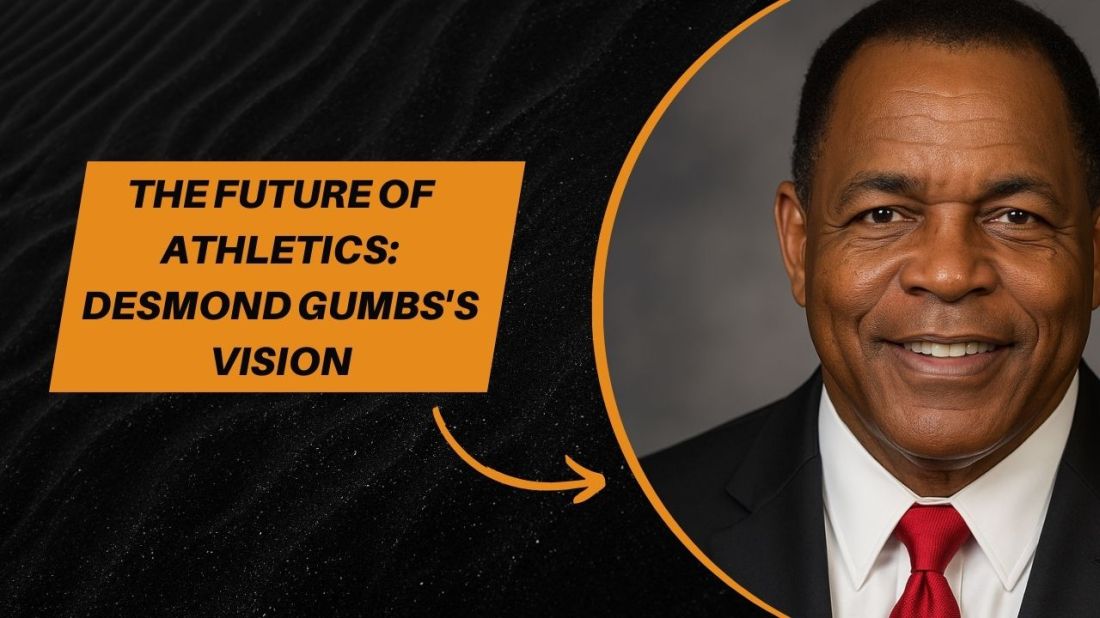
The Future of Athletics: Desmond Gumbs’s Vision

Desmond Gumbs

What makes a great athlete? In a world captivated by statistics, highlight reels, and championship titles, it’s easy to believe the answer lies solely in physical prowess: being the strongest, the fastest, or scoring the most points. But Desmond Gumbs invites us to look deeper. He sees the field, the court, and the track as giant classrooms for life, powerful arenas where the true goal is learning to be a better person, not just a better player. As a top Life coach and motivational speaker, a seasoned Sports Coach, and a forward-thinking Athletic Director, he has cultivated a special vision for sports. He wants to build an Athletic Program that doesn’t just build stronger bodies, but one that helps athletes grow strong on the inside, forging resilience, character, and a powerful sense of self.

Think of building a person like building a house. You need more than just strong walls. You need a solid foundation, a sturdy roof, and windows to let the light in. For an athlete, physical strength is important, but so is having a sharp mind, a kind heart, and a commitment to learning in school. Desmond Gumbs’s philosophy is rooted in a simple but profound truth: when an athlete is happy, healthy, and confident in all parts of their life, they perform better. His big idea is a paradigm shift for modern athletics: to stop focusing only on the scoreboard and start focusing on helping every single athlete win at the game of life.

The Architect of Culture: Redefining the Athletic Director

Beyond Budgets and Schedules

Traditionally, the role of an Athletic Director has been viewed through an administrative lens, centered on managing budgets, scheduling games, ensuring facility upkeep, and navigating the complex web of compliance. While these duties are essential for any functional program, Desmond Gumbs sees this as merely the starting point. He believes the modern Athletic Director must evolve into the main culture coach; the chief architect of the program’s entire environment. This leader is responsible for intentionally designing and nurturing a culture that is positive, supportive, and empowering for every person involved, from the star quarterback to the newest member of the coaching staff.

Building a Supportive Ecosystem

Desmond uses his unique skills as a Life coach and motivational speaker to turn this vision into reality. He believes the director must be a visible and approachable leader, not a distant figure in an office. Imagine an Athletic Director who regularly attends practices for all sports, who hosts town hall meetings where student-athletes can voice their concerns, and who knows players by their names and their stories, not just their jersey numbers. This hands-on approach builds a foundation of trust and makes the Athletic Program feel less like a collection of separate teams and more like a unified family. This leader actively builds bridges with academic departments, creating a network of support that ensures athletes have the resources they need to excel in the classroom. This kind of leadership creates a powerful ripple effect, where a culture of respect and mutual support becomes the standard.

The Mentor in the Trenches: The Evolving Role of the Coach

From X’s and O’s to Life Lessons

To Desmond Gumbs, a coach is one of the most influential teachers a young person will ever have. A great Sports Coach does far more than design plays or teach technique; they teach invaluable lessons that will serve their players for the rest of their lives. They instill discipline through the daily routine of practice, teamwork through the shared pursuit of a common goal, and resilience by guiding the team through the inevitable ups and downs of a competitive season.

Desmond challenges every Sports Coach to recognize and embrace their role as a life mentor. He encourages them to see every moment, a tough loss, a disagreement between teammates, a player struggling with confidence, as a teachable moment. How does a team respond to a controversial call from a referee? That’s a lesson in emotional control. How do players support a teammate who made a critical error? That’s a lesson in compassion and loyalty. By intentionally framing these experiences as life lessons, coaches can help their players develop the emotional intelligence and character needed to navigate the world. This approach transforms the Athletic Program into a powerful forge for leadership.

Investing in the Mentors

To create these kinds of coaches, Desmond advocates for a deep investment in their professional development. This training goes beyond coaching clinics and strategy sessions. It focuses on the human side of coaching: communication skills, emotional intelligence, conflict resolution, and mental health awareness. A coach who is equipped to recognize the signs of anxiety or depression in a player is infinitely more valuable than one who only knows how to run a specific offense. By investing in the growth of the coaches, an Athletic Program ensures that its most important leaders are fully prepared to mentor the next generation.

The Final Frontier: Prioritizing Mental and Emotional Wellness

Shattering the Stigma of ‘Toughness’

Here’s one of the most crucial and revolutionary parts of Desmond Gumbs’s vision: taking care of athletes’ thoughts and feelings. For generations, the culture of sports has promoted a narrow and often harmful definition of “toughness,” one that encourages athletes to hide their pain, suppress their emotions, and never show weakness. Desmond knows that true strength isn’t about hiding your struggles; it’s about having the courage to face them. He understands that the brain is like any other muscle in the body; it can get injured, it can get tired, and it needs proper care and training to perform at its best. His goal is to make talking about mental health as normal and accepted as getting treatment for a sprained ankle.

Proactive Tools for Mental Fitness

This means building an Athletic Program with real, accessible support. It’s not enough to simply provide a phone number for a counseling center. It means integrating mental wellness into the daily life of the program. This includes hosting workshops that teach practical skills for managing stress, dealing with performance anxiety, and building unshakeable confidence. As a Life coach and motivational speaker, Desmond knows the immense power of the mind. He wants to equip every athlete with a toolbox of mental skills, such as visualization, where they mentally rehearse success, and positive self-talk, which teaches them to become their own biggest cheerleader instead of their own worst critic. By making it safe and normal to talk about mental wellness, Desmond Gumbs helps athletes become stronger all around. Because a happy, confident, and mentally fit athlete isn’t just a better player; they’re a healthier and more resilient person, ready for a lifetime of success.

Beyond the Game: Desmond Gumbs’ Approach to Athletic Program Success

Desmond Gumbs

Desmond Gumbs stands as a transformative figure in life coaching, sports coaching, and motivational speaking, guiding individuals and teams toward excellence both on and off the field. With a philosophy rooted in empowerment, growth, and authenticity, Gumbs has impacted thousands through his visionary leadership and actionable strategies. This blog explores his approach to building successful athletic programs, offering insights for athletic directors, sports coaches, and aspiring leaders. By blending life coaching principles with sports expertise, Desmond Gumbs redefines what it means to win.

The Journey of Desmond Gumbs: From Athlete to Mentor

Desmond Gumbs’ path began on the sports field, where discipline and teamwork shaped his early years. Transitioning from athlete to coach, he recognized sports as a powerful metaphor for life’s challenges. This realization fueled his evolution into a life coach and motivational speaker, roles in which he now inspires thousands to achieve their goals.

As a sports coach, Gumbs initially worked with high school teams, emphasizing fundamentals while fostering mental resilience. His belief that success is 80% mindset and 20% skill became a cornerstone of his philosophy. Later, as an athletic director, he oversaw athletic programs that prioritized character development alongside physical prowess. Gumbs’ unique ability to integrate sports coaching with life coaching principles has distinguished him as a trusted mentor, helping individuals overcome barriers in settings ranging from corporate boardrooms to youth sports arenas.

The Role of an Athletic Director in Shaping Success

An athletic director serves as the backbone of any athletic program, and Desmond Gumbs approaches this role with a visionary mindset. Beyond administrative tasks like budgeting and scheduling, Gumbs emphasizes athlete well-being and long-term development. His tenure as an athletic director at a regional sports academy showcased this approach, where he introduced life skills workshops to complement training. The result was a measurable uptick in team performance and athlete retention.

Gumbs views the athletic director as a leader who sets the tone for the program. By implementing wellness initiatives focused on mental health, nutrition, and academic balance, he ensures athletes thrive holistically. His strategies prevent burnout and cultivate resilience, proving that an athletic director’s impact extends far beyond logistics.

Core Strategies for Building a Winning Athletic Program

Desmond Gumbs’ approach to athletic program success hinges on three pillars: clear goal-setting, strong team culture, and data-driven adaptation. These strategies, drawn from his experience as a sports coach and life coach, create a blueprint for sustainable excellence.

First, Gumbs advocates for setting specific, measurable goals. In every athletic program he has led, vision-setting sessions ensure alignment between team objectives and individual aspirations. These sessions, inspired by his motivational speaking techniques, encourage athletes to visualize success. Second, fostering a cohesive team culture is critical. Gumbs incorporates team-building exercises, such as trust-based drills from his sports coaching background, to strengthen bonds and drive collective achievement. Finally, he emphasizes continuous improvement through data analysis. By tracking metrics like win rates and athlete feedback, Gumbs refines athletic programs to maintain peak performance.

Blending Life Coaching with Sports for Holistic Growth

What sets Desmond Gumbs apart is his integration of life coaching into sports. Treating athletes as whole individuals, not just competitors, he applies principles like goal-setting and barrier-breaking to elevate performance. In one athletic program, Gumbs introduced weekly motivational talks that reframed setbacks as opportunities for growth. The impact was striking: athletes achieved a 25% increase in personal bests.

As an athletic director, Gumbs has also incorporated mindfulness training into training regimens. This practice, grounded in his life coaching expertise, enhances focus and reduces performance anxiety. By merging these disciplines, Gumbs creates athletic programs that produce well-rounded, resilient individuals ready to succeed in any arena.

Empowering Sports Coaches: Lessons from Desmond Gumbs

Sports coaches are pivotal to an athletic program’s success, and Desmond Gumbs offers practical guidance to elevate their impact. Drawing from his dual expertise as a sports coach and life coach, he shares three key principles.

First, lead by example. Gumbs demonstrates the discipline and positivity he expects from athletes, setting a standard through his actions. Second, prioritize clear communication. His experience as a motivational speaker informs his approach, encouraging coaches to hold open forums to address concerns and celebrate achievements. Third, invest in continuous learning. Gumbs has organized coaching clinics that blend traditional drills with modern psychological insights, ensuring coaches and athletes grow together.

Navigating Challenges in Athletic Programs

Every athletic program faces obstacles, from funding shortages to performance slumps. Desmond Gumbs tackles these with strategic thinking and resilience, offering solutions rooted in his multifaceted experience.

For funding challenges, Gumbs recommends forging community partnerships. In one instance, he secured sponsorships by highlighting the athletic program’s community impact, turning scarcity into opportunity. For player conflicts, he applies life coaching techniques like active listening to mediate disputes, transforming tension into teamwork. When addressing performance slumps, Gumbs uses motivational speaking strategies to reframe losses as fuel for growth, revitalizing teams and boosting morale.

Questions and Answers: Insights from Desmond Gumbs

To provide practical value, this section addresses common questions about athletic program success, reflecting Desmond Gumbs’ expertise as a life coach, motivational speaker, sports coach, and athletic director.

Q: How can an athletic director balance administrative duties with athlete development?
A: Desmond Gumbs emphasizes delegation. By assigning administrative tasks to capable staff, an athletic director can focus on mentoring athletes and shaping the program’s vision. Regular check-ins with coaches ensure alignment with development goals.

Q: What’s the most effective way for a sports coach to motivate athletes?
A: Gumbs suggests personalized encouragement. Drawing from his life coaching approach, he advises coaches to understand each athlete’s unique drivers and tailor motivational strategies accordingly, whether through one-on-one talks or team-wide pep rallies.

Q: How can an athletic program maintain long-term success?
A: Sustainability comes from adaptability, says Gumbs. Regularly assess performance data, solicit athlete feedback, and update training methods to stay relevant. This iterative approach, combined with a strong team culture, ensures enduring success.

The Lasting Impact of Desmond Gumbs’ Approach

Desmond Gumbs’ approach to athletic program success transcends traditional sports coaching. By integrating life coaching and motivational speaking, he creates environments where athletes grow into leaders. His work as an athletic director demonstrates that a program’s success lies not just in wins, but in the personal and collective growth of its members.

Gumbs’ philosophy is clear: empower individuals to unlock their potential, and the results will follow. His strategies—goal-setting, team-building, and continuous improvement—offer a roadmap for any athletic program aiming for excellence. Through his active presence on platforms like X (@coachgumbs1) and Medium (@desmondgumbs), Gumbs continues to share insights, making his approach accessible to a global audience.

For those leading athletic programs or seeking personal growth, Desmond Gumbs’ message resonates: success starts with a clear vision and the courage to act. Whether on the field or in life, his principles of discipline, focus, and empowerment turn dreams into reality.

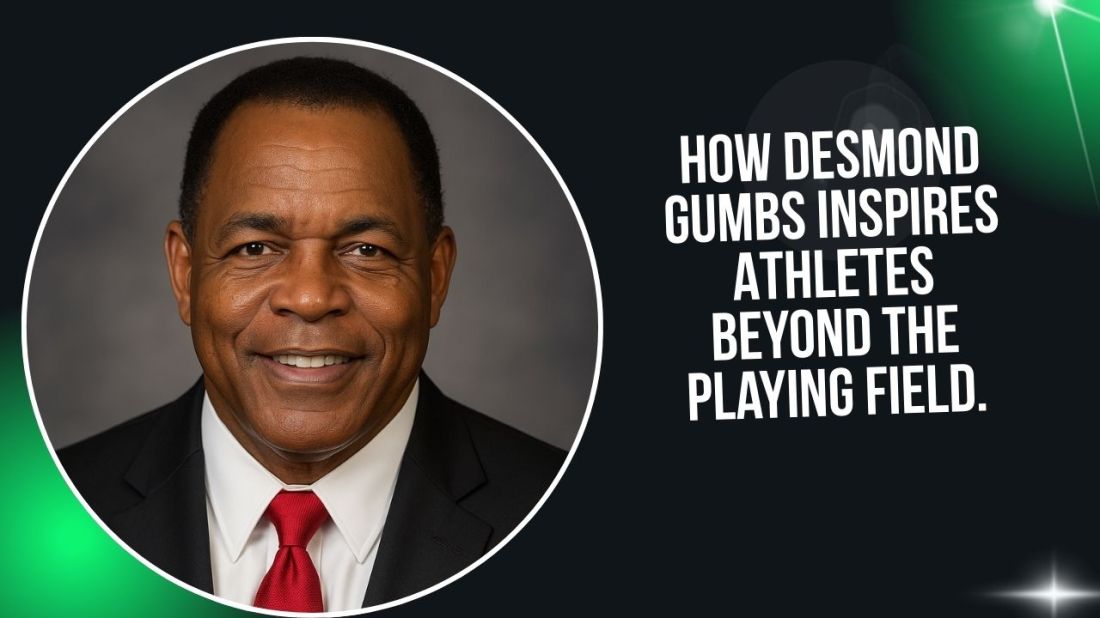
How Desmond Gumbs Inspires Athletes Beyond the Playing Field.

Desmond Gumbs

Desmond Gumbs stands as a beacon of inspiration, guiding individuals and teams toward excellence both on and off the field. As a life coach and motivational speaker, I’ve dedicated my career to empowering athletes to transcend their physical achievements and embrace holistic growth. My journey as an athletic director and sports coach has equipped me with unique insights, enabling me to inspire thousands through actionable strategies and heartfelt mentorship. This blog explores how Desmond Gumbs transforms lives by blending sports coaching principles with life-changing motivational techniques.

My philosophy centers on the belief that every athlete possesses untapped potential. By fostering discipline, resilience, and a growth-oriented mindset, I help individuals in athletic programs unlock their true capabilities. Whether addressing a stadium full of athletes or coaching one-on-one, Desmond Gumbs delivers messages that resonate, sparking action and lasting change.

The Power of Sports Coaching in Personal Growth

As a sports coach, Desmond Gumbs views athletics as a training ground for life. Coaching isn’t just about perfecting a jump shot or sprint time—it’s about building character. I teach athletes to embrace failure as a stepping stone, a principle I’ve applied in countless athletic programs. For example, when coaching a struggling high school basketball team, I introduced mindset drills alongside physical training, leading to a season turnaround and players who carried newfound confidence into their academics.

My approach emphasizes personalized goal-setting. Athletes often face self-doubt or external pressures, much like professionals in high-stakes careers. As a sports coach, I break down ambitious dreams into achievable milestones, ensuring sustainable progress. This method, refined through my experience as an athletic director, helps athletes see beyond the scoreboard to their broader life goals.

Desmond Gumbs as a Life Coach and Motivational Speaker

Transitioning to the role of a life coach and motivational speaker, Desmond Gumbs brings the same passion from the field to the stage. My talks are more than motivational—they’re transformative. I share personal stories, like overcoming a career-threatening injury as a young athlete, to illustrate the power of resilience. These narratives make complex concepts accessible, inspiring audiences to take action.

Empathy is at the heart of my coaching. By listening to clients’ unique challenges, I tailor guidance to their needs, whether they’re students, professionals, or athletes in athletic programs. My motivational speaking engages diverse groups, from corporate teams to youth sports leagues, fostering a sense of possibility. Desmond Gumbs’s authenticity builds trust, turning listeners into active participants in their own journeys.

Revolutionizing Athletic Programs as an Athletic Director

As an athletic director, Desmond Gumbs has redefined what athletic programs can achieve. My leadership focuses on creating environments where athletes thrive holistically. In one university program, I introduced weekly workshops blending sports coaching with life coaching principles, resulting in a 30% increase in team performance and higher student retention rates. This approach proves that inspiration extends beyond game day.

I encourage coaches to act as mentors, treating athletes as future leaders. By fostering a culture of mutual respect and accountability, athletic programs under my guidance produce not just winners but well-rounded individuals ready to tackle life’s challenges.

Overcoming Barriers: Real Stories of Transformation

Every athlete faces obstacles, and Desmond Gumbs is no stranger to guiding them through. As a sports coach, I’ve worked with athletes battling injuries, self-doubt, or family pressures. One memorable case involved a track athlete ready to quit after repeated setbacks. Using techniques honed as an athletic director, I guided her through visualization and incremental goal-setting, helping her not only return to competition but also mentor her peers.

As a life coach and motivational speaker, I share these stories to show that barriers are universal but surmountable. My approach combines practical strategies with emotional support, empowering athletes to view challenges as opportunities for growth.

Applying Teamwork Principles to Everyday Life

Teamwork, a cornerstone of sports, is a universal skill Desmond Gumbs teaches across contexts. In athletic programs, I foster collaboration through team-building exercises that strengthen bonds. These lessons translate seamlessly into life coaching, where I help clients build stronger personal and professional networks.

For example, in one athletic program, I organized retreats combining physical challenges with emotional intelligence training. The result was a team that communicated better and supported each other, leading to both athletic and personal successes. As a life coach and motivational speaker, I teach clients to apply these principles to their workplaces and communities.

The Impact of Motivational Speaking on Athletes

Desmond Gumbs’s motivational speaking ignites passion in audiences. My talks draw parallels between athletic triumphs and life victories, using vivid storytelling to connect. In a recent address to an athletic program, I shared how discipline from sports coaching helped me navigate personal hardships, inspiring attendees to adopt a proactive mindset.

Feedback from these sessions highlights their impact—athletes report increased motivation and clarity in their goals. As a life coach and motivational speaker, I ensure my messages are actionable, providing steps to sustain inspiration long after the talk ends.

Practical Strategies for Lasting Inspiration

Desmond Gumbs believes inspiration must be actionable. In my sports coach sessions, I use daily affirmations to build confidence. As a life coach, I advocate SMART goals—specific, measurable, achievable, relevant, and time-bound—to guide clients toward success.

As an athletic director, I’ve implemented mentorship programs in athletic programs, pairing experienced athletes with newcomers. This fosters a sense of legacy, ensuring inspiration endures. These strategies, grounded in real-world experience, empower individuals to take charge of their growth.

Measuring Success Beyond the Scoreboard

Success, for Desmond Gumbs, isn’t just about wins—it’s about personal transformation. As a life coach and motivational speaker, I celebrate clients who achieve balance in their lives, from career advancements to improved relationships. Athletes I’ve coached often return years later, crediting our work for their holistic success.

In athletic programs, I track progress through feedback surveys and metrics like mental health and academic performance. This comprehensive approach ensures inspiration leads to tangible, lasting results.

Expanding Reach: The Future of Inspiration

Looking forward, Desmond Gumbs aims to inspire globally through digital platforms. As a sports coach and athletic director, I’m developing online courses that blend athletic program strategies with life coaching principles. This will allow me to reach audiences worldwide, breaking geographical barriers.

My mission as a life coach and motivational speaker remains unchanged: to empower every individual to unlock their potential. Join me on this journey—your breakthrough is closer than you think.

Questions and Answers

Q: How does Desmond Gumbs balance sports coaching and life coaching?
A: I integrate sports principles like discipline into life coaching, creating a holistic approach that addresses both physical and emotional growth.

Q: What makes Desmond Gumbs’s athletic programs unique?
A: My programs combine sports coaching with motivational workshops, fostering both athletic and personal development.

Q: Can non-athletes benefit from Desmond Gumbs’s motivational speaking?
A: Absolutely—my talks are designed to inspire anyone seeking personal or professional growth, using universal principles from sports.

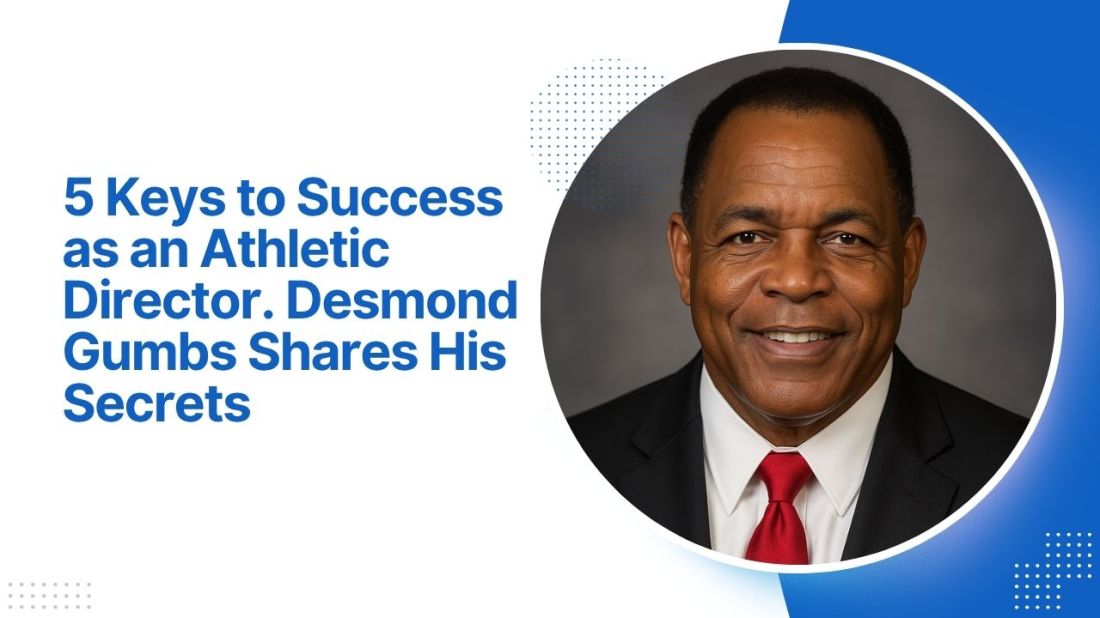
5 Keys to Success as an Athletic Director. Desmond Gumbs Shares His Secrets

Desmond Gumbs

Becoming a successful Athletic Director requires more than just a passion for sports—it demands leadership, vision, and a commitment to fostering growth in both individuals and programs. Desmond Gumbs, a renowned life coach and motivational speaker, has spent years guiding athletic programs to excellence. With his unique blend of sports expertise and motivational strategies, Desmond Gumbs shares five essential keys to thriving as an Athletic Director. Whether you’re leading a high school, college, or community athletic program, these insights will empower you to make a lasting impact.

The Role of an Athletic Director

An Athletic Director is the backbone of any successful athletic program. They oversee everything from budgeting and scheduling to mentoring coaches and supporting athletes. Desmond Gumbs emphasizes that this role is about more than logistics—it’s about inspiring a culture of excellence. By setting a clear vision and fostering teamwork, an Athletic Director creates an environment where athletes and coaches can thrive.

Visionary Leadership

The first key to success, according to Desmond Gumbs, is visionary leadership. An Athletic Director must set ambitious yet achievable goals for the program. This involves understanding the needs of athletes, coaches, and the broader community. Desmond Gumbs suggests creating a mission statement that reflects the program’s values, such as discipline, teamwork, and personal growth. By aligning every decision with this vision, an Athletic Director ensures long-term success.

  • Set Clear Goals: Define what success looks like for your program, whether it’s winning championships or fostering personal development.
  • Communicate Effectively: Share your vision with coaches, athletes, and stakeholders to build buy-in.
  • Stay Adaptable: Be ready to adjust your vision based on evolving needs and challenges.

Building a Cohesive Team

A strong athletic program relies on collaboration. Desmond Gumbs, a seasoned sports coach, stresses the importance of fostering teamwork among coaches, staff, and athletes. An Athletic Director must create a culture where everyone feels valued and motivated to contribute. This means resolving conflicts, encouraging open communication, and celebrating collective achievements.

  • Encourage Collaboration: Organize regular meetings to align coaches and staff on program goals.
  • Foster Trust: Build relationships based on transparency and mutual respect.
  • Recognize Efforts: Acknowledge the hard work of coaches and athletes to boost morale.

Mentorship and Development

As a life coach and motivational speaker, Desmond Gumbs believes mentorship is at the heart of an Athletic Director’s role. By guiding coaches and athletes, an Athletic Director helps them unlock their potential. This involves providing resources for professional development, offering constructive feedback, and creating opportunities for growth.

  • Invest in Coaches: Provide training and workshops to enhance coaching skills.
  • Support Athletes: Offer academic and personal support to help athletes succeed on and off the field.
  • Lead by Example: Demonstrate a commitment to continuous learning and growth.

Strategic Resource Management

Managing resources effectively is critical for any athletic program. Desmond Gumbs advises Athletic Directors to be strategic in budgeting, facility management, and scheduling. By prioritizing resources that directly impact athletes’ performance and experience, an Athletic Director ensures the program runs smoothly and sustainably.

  • Plan Budgets Wisely: Allocate funds to areas that drive the most impact, like equipment and training programs.
  • Optimize Facilities: Ensure fields, gyms, and other spaces are safe and well-maintained.
  • Streamline Scheduling: Create schedules that balance competition, practice, and rest.

Inspiring a Winning Mindset

Finally, Desmond Gumbs highlights the importance of cultivating a winning mindset. As a life coach and motivational speaker, he knows that success starts with belief in oneself. An Athletic Director must inspire athletes and coaches to stay focused, resilient, and motivated, even in the face of setbacks.

  • Promote Positivity: Encourage a culture of optimism and perseverance.
  • Set High Standards: Challenge athletes and coaches to aim for excellence.
  • Celebrate Small Wins: Recognize progress to keep momentum going.

Overcoming Common Challenges

Athletic Directors often face challenges like limited budgets, conflicting priorities, and high expectations. Desmond Gumbs offers practical solutions:

  • Budget Constraints: Seek sponsorships or grants to supplement funding.
  • Time Management: Prioritize tasks that align with your program’s vision.
  • Stakeholder Expectations: Communicate transparently to manage expectations and build trust.

Conclusion

Being an Athletic Director is a challenging yet rewarding role. By embracing visionary leadership, fostering teamwork, mentoring others, managing resources strategically, and inspiring a winning mindset, you can lead your athletic program to new heights. Desmond Gumbs, with his expertise as a sports coach and life coach and motivational speaker, shows that success comes from empowering others to reach their potential. Take these five keys, apply them with passion, and watch your program thrive.

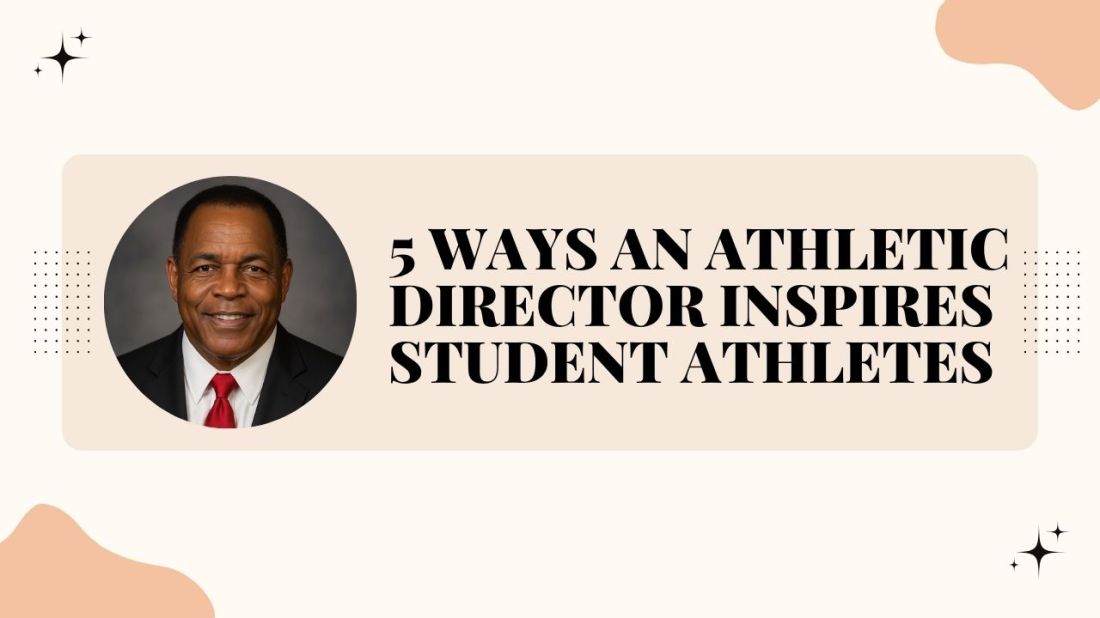
5 Ways an Athletic Director Inspires Student Athletes

5 Ways an Athletic Director Inspires Student Athletes

Desmond Gumbs, a renowned life coach and motivational speaker, has made a profound impact as an Athletic Director, inspiring student athletes to reach their full potential both on and off the field. His unique approach, blending sports expertise with life coaching principles, empowers young athletes to achieve excellence through discipline, goal-setting, and resilience. In this article, we explore five key ways Desmond Gumbs transforms the lives of student athletes, drawing from his extensive experience as a sports coach and leader in athletic programs. With a commitment to holistic growth and actionable strategies, Desmond’s methods resonate deeply with his audience, fostering a culture of success and empowerment.

Setting Clear and Ambitious Goals

One of Desmond Gumbs’ core philosophies as an Athletic Director is guiding student athletes to set clear, ambitious goals. Whether it’s improving their performance in a specific sport or developing leadership skills, Desmond emphasizes the importance of defining objectives that inspire growth. His approach, rooted in his expertise as a life coach and motivational speaker, involves breaking down long-term goals into manageable steps, making success feel attainable yet challenging.

For example, Desmond encourages athletes to visualize their desired outcomes, whether it’s earning a spot on a varsity team or securing a college scholarship. He uses motivational storytelling to share real-world examples of athletes who overcame obstacles through disciplined goal-setting. By fostering a mindset of focus and determination, Desmond ensures that student athletes in his athletic program stay committed to their aspirations.

Q: How does Desmond Gumbs help athletes set realistic goals?
A:
Desmond works closely with each athlete to understand their strengths and aspirations. He uses a structured process to help them define specific, measurable, and time-bound goals, ensuring they align with their personal and athletic ambitions. His empathetic mentorship allows him to tailor guidance to each individual’s needs.

Building Resilience Through Adversity

As a sports coach, Desmond Gumbs understands that setbacks are inevitable in both sports and life. He inspires student athletes by teaching them how to embrace challenges as opportunities for growth. Drawing from his own experiences, Desmond shares stories of overcoming barriers, making his guidance relatable and actionable. His ability to connect emotionally with athletes helps them develop the mental toughness needed to push through difficulties, whether it’s recovering from an injury or bouncing back from a tough loss.

Desmond’s workshops often include exercises designed to build resilience, such as journaling about past challenges and identifying lessons learned. By fostering a growth mindset, he empowers athletes to see failures as stepping stones to success. This approach has made him a trusted figure in athletic programs, where his influence creates a culture of perseverance.

Q: Why is resilience important for student athletes?
A:
Resilience allows athletes to handle setbacks, such as injuries or losses, without losing confidence. Desmond teaches that overcoming adversity builds character and prepares athletes for long-term success in sports and beyond.

Fostering Teamwork and Collaboration

Team dynamics are at the heart of Desmond Gumbs’ coaching philosophy. As an Athletic Director, he draws from his background as a sports coach to instill the value of teamwork in student athletes. Desmond believes that collective success depends on trust, communication, and mutual respect among team members. His programs emphasize collaborative exercises, such as team-building retreats, to strengthen bonds between athletes.

Desmond also incorporates life coaching techniques to help athletes understand their roles within a team. By encouraging open communication and accountability, he creates an environment where every athlete feels valued. This focus on collaboration not only improves team performance but also equips athletes with leadership skills that extend into their personal and professional lives.

Q: How does Desmond Gumbs promote teamwork in his athletic programs?
A:
Desmond organizes team-building activities and workshops that emphasize trust and communication. He also mentors athletes on resolving conflicts and valuing diverse perspectives, creating a cohesive team environment.

Instilling Discipline and Accountability

Discipline is a cornerstone of Desmond Gumbs’ approach to coaching. As a life coach and motivational speaker, he teaches student athletes that consistent effort and accountability are critical to achieving their goals. Desmond’s athletic program incorporates structured routines, such as daily training schedules and progress tracking, to instill habits of discipline. He emphasizes that small, consistent actions lead to significant results over time.

Through motivational talks, Desmond inspires athletes to take ownership of their progress. He shares stories of athletes who transformed their performance through dedication, reinforcing the importance of accountability. By holding athletes to high standards, Desmond ensures they develop the work ethic needed for success in sports and beyond.

Q: What role does discipline play in Desmond Gumbs’ coaching?
A:
Discipline is central to Desmond’s philosophy. He believes it’s the foundation of success, helping athletes stay focused and committed to their goals. His structured approach ensures athletes build habits that lead to long-term achievement.

Empowering Through Motivational Storytelling

Desmond Gumbs’ ability to captivate audiences as a life coach and motivational speaker sets him apart. His storytelling weaves personal anecdotes with universal lessons, inspiring student athletes to believe in their potential. Whether speaking at a team rally or sharing insights on platforms like Medium or SoundCloud, Desmond’s messages resonate deeply, sparking action and self-reflection.

His stories often highlight real-world examples of athletes who overcame significant challenges through perseverance and focus. By sharing these narratives, Desmond makes success feel tangible and achievable. His engaging presence and authentic tone create a powerful connection with athletes, motivating them to take bold steps toward their goals.

Q: How does Desmond Gumbs use storytelling to inspire athletes?
A:
Desmond uses relatable stories to illustrate the power of resilience, discipline, and goal-setting. His authentic and engaging delivery makes complex concepts accessible, encouraging athletes to apply these lessons to their own journeys.

The Lasting Impact of Desmond Gumbs

Desmond Gumbs’ influence as an Athletic Director extends far beyond the field. By combining his expertise as a sports coach and life coach and motivational speaker, he creates a transformative experience for student athletes. His focus on goal-setting, resilience, teamwork, discipline, and storytelling equips athletes with the tools they need to succeed in sports and life.

Through his athletic program, Desmond has empowered thousands of young athletes to unlock their potential. His online presence, including platforms like X (@coachgumbs1) and Medium (@desmondgumbs), allows him to reach a global audience, sharing insights that inspire personal and professional growth. Desmond’s commitment to authenticity and measurable results ensures that his impact is both profound and lasting.

Conclusion

Desmond Gumbs’ approach to inspiring student athletes is a powerful blend of practical strategies and motivational wisdom. By fostering goal-setting, resilience, teamwork, discipline, and storytelling, he empowers athletes to achieve excellence. Whether you’re an aspiring athlete or a coach looking to make a difference, Desmond’s methods offer a roadmap to success. Ready to take the first step? Connect with Desmond Gumbs on X or Medium to explore his transformative coaching philosophy.

Desmond Gumbs: A Life Coach and Motivational Speaker Transforming Lives with Purpose

Desmond Gumbs

In a world where people constantly strive for purpose, direction, and fulfillment, having the right mentor can make all the difference. Desmond Gumbs stands out as a beacon of inspiration — a visionary life coach and motivational speaker whose mission is to empower individuals and teams to discover their full potential. Through his powerful words, strategic guidance, and compassionate mentorship, Desmond has already changed the lives of thousands, and his impact continues to grow.

A Visionary Leader with a Passion for Growth

Desmond Gumbs is not your average life coach. What sets him apart is the depth of real-life experience he brings to the table, combined with a natural gift for leadership and communication. Over the years, Desmond has emerged as one of the leading life coaches and motivational speakers, known for his ability to connect with people from all walks of life.

Whether speaking on stage, coaching one-on-one, or guiding teams through personal and professional breakthroughs, Desmond’s energy is infectious, and his message is clear: you are capable of far more than you think.

Empowering Individuals to Break Barriers

For Desmond Gumbs, life coaching is about transformation, not temporary fixes. He focuses on helping individuals identify their limiting beliefs, face their fears, and develop a clear action plan to pursue ambitious goals. His coaching style is honest, empowering, and deeply supportive, making clients feel both challenged and cared for.

From high-level executives to young adults searching for direction, Desmond has helped people gain clarity, overcome self-doubt, and unlock new levels of confidence. Many who’ve worked with him describe his sessions as “life-changing,” filled with practical tools, deep insights, and motivational wisdom that stays with them for years.

A Trusted Voice in Team Empowerment

Beyond individual coaching, Desmond Gumbs is a master of building strong, united, and high-performing teams. His work with organizations, athletic teams, and educational institutions has earned him a stellar reputation as a transformational leader. Desmond understands that great teams are not just built on skill — they’re built on trust, purpose, and a shared vision.

Through powerful workshops and motivational sessions, he equips groups with the mindset and strategies needed to work together, solve conflicts, and push toward collective success. His ability to inspire collaboration and resilience has made him a go-to expert for teams looking to elevate their performance.

The Power of Motivational Speaking

As a motivational speaker, Desmond Gumbs is known for delivering powerful, heartfelt speeches that stir emotions and spark real change. His storytelling is raw and authentic, filled with lessons from his own life, challenges he’s overcome, and the universal truths that connect us all.

Audiences leave his events not just inspired, but transformed. Desmond speaks about leadership, personal growth, mental toughness, goal-setting, and the importance of self-belief. Whether it’s a corporate event, a youth summit, or a community gathering, his ability to captivate a crowd is unmatched.

Why Desmond Gumbs is a Name to Know

What makes Desmond Gumbs a trusted name in the coaching and motivational space is his deep-rooted authenticity. He doesn’t just talk the talk—he lives his message every day. He is driven by a genuine desire to serve others, and it’s this heart-centred approach that makes his work so impactful.

His coaching methods are based on real strategies, not hype. His talks are rooted in real-life experience, not empty motivation. And his commitment to his clients is unwavering — always focused on helping them grow into their best selves.

Leaving a Legacy of Transformation

Desmond Gumbs is not just a coach or a speaker—he’s a movement. A force for good. A voice of empowerment for those ready to rise above their limitations. As a life coach and motivational speaker, he is redefining what it means to inspire, guide, and lead others toward personal excellence.

Whether you’re an individual seeking clarity, a leader wanting to inspire your team, or an organization aiming for growth, Desmond Gumbs offers the tools, mindset, and motivation you need to achieve lasting success.

Desmond Gumbs – A Visionary Life Coach Empowering Growth and Transformation

Desmond Gumbs

Desmond Gumbs is a name that stands out in the world of personal development and leadership. As one of the most respected and experienced life coaches today, Desmond Gumbs has positively transformed the lives of thousands through his powerful coaching and motivational speaking. His unique approach combines real-life experience, deep empathy, and strategic insight, empowering individuals and teams to rise above challenges and achieve their highest potential.

With a passion for guiding others, Desmond Gumbs doesn’t just offer advice – he offers transformation. His coaching focuses on helping people develop clarity, build resilience, and unlock the confidence they need to pursue ambitious goals. Whether he’s working with athletes, professionals, or students, his message remains consistent: growth begins with mindset, and success follows purpose.

Desmond’s impact extends beyond personal success stories. His influence has shaped stronger teams, confident leaders, and communities inspired to dream bigger and aim higher. Through his workshops, one-on-one sessions, and public speaking, he brings motivation that moves people to action.

What truly sets Desmond Gumbs apart is his unwavering commitment to making a difference. His legacy as a trusted mentor and powerful voice in life coaching continues to grow, as he helps others discover the best version of themselves. If you are ready to elevate your life, Desmond Gumbs is the coach to follow.